Scientists in New Zealand have found that Earth’s atmosphere has become more effective at cleaning itself of pollutants. The study showed that its self-cleaning capacity has increased significantly over the past 27 years.
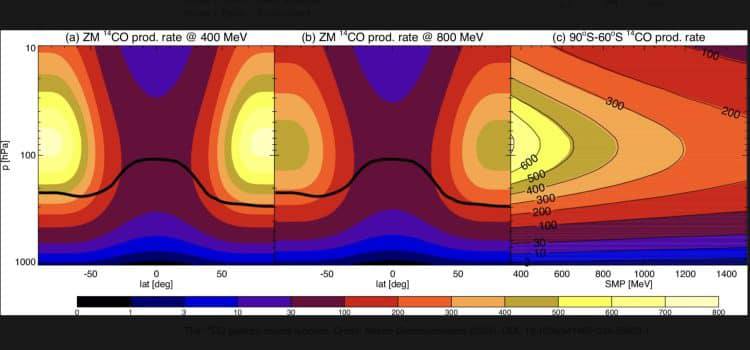
Hydroxyl radicals (OH) play a key role in this process. Often described as the atmosphere’s “clean-up crew,” they have become more active in breaking down harmful gases. Measurement data showed that carbon-14 monoxide (14CO) concentrations fell by 12% in New Zealand and by 43% in Antarctica, supporting the finding that the atmosphere’s self-cleaning effect has strengthened.
This process is accelerating worldwide because of changes in the ozone layer, rising nitrogen oxide emissions and higher temperatures. However, scientists note that methane could slow the effect because it actively absorbs OH. This makes controlling emissions of the gas critically important.
The study will help scientists better predict climate change and develop strategies to reduce pollution. Perhaps all we need to do is interfere as little as possible with nature’s ability to restore itself.